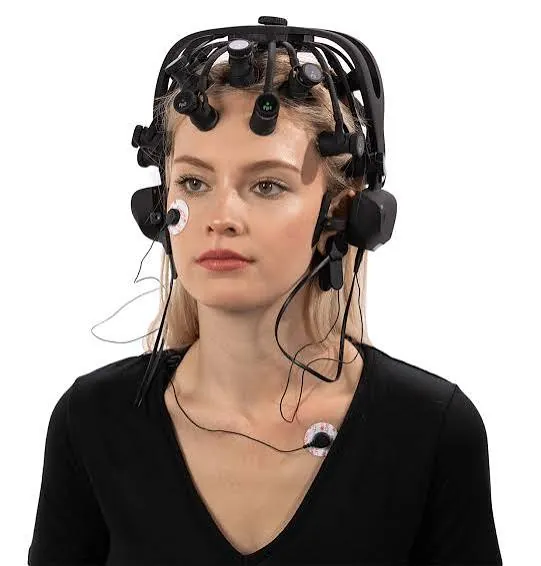
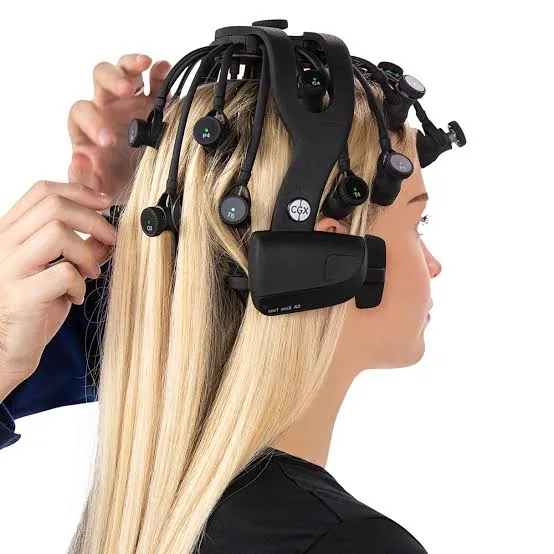
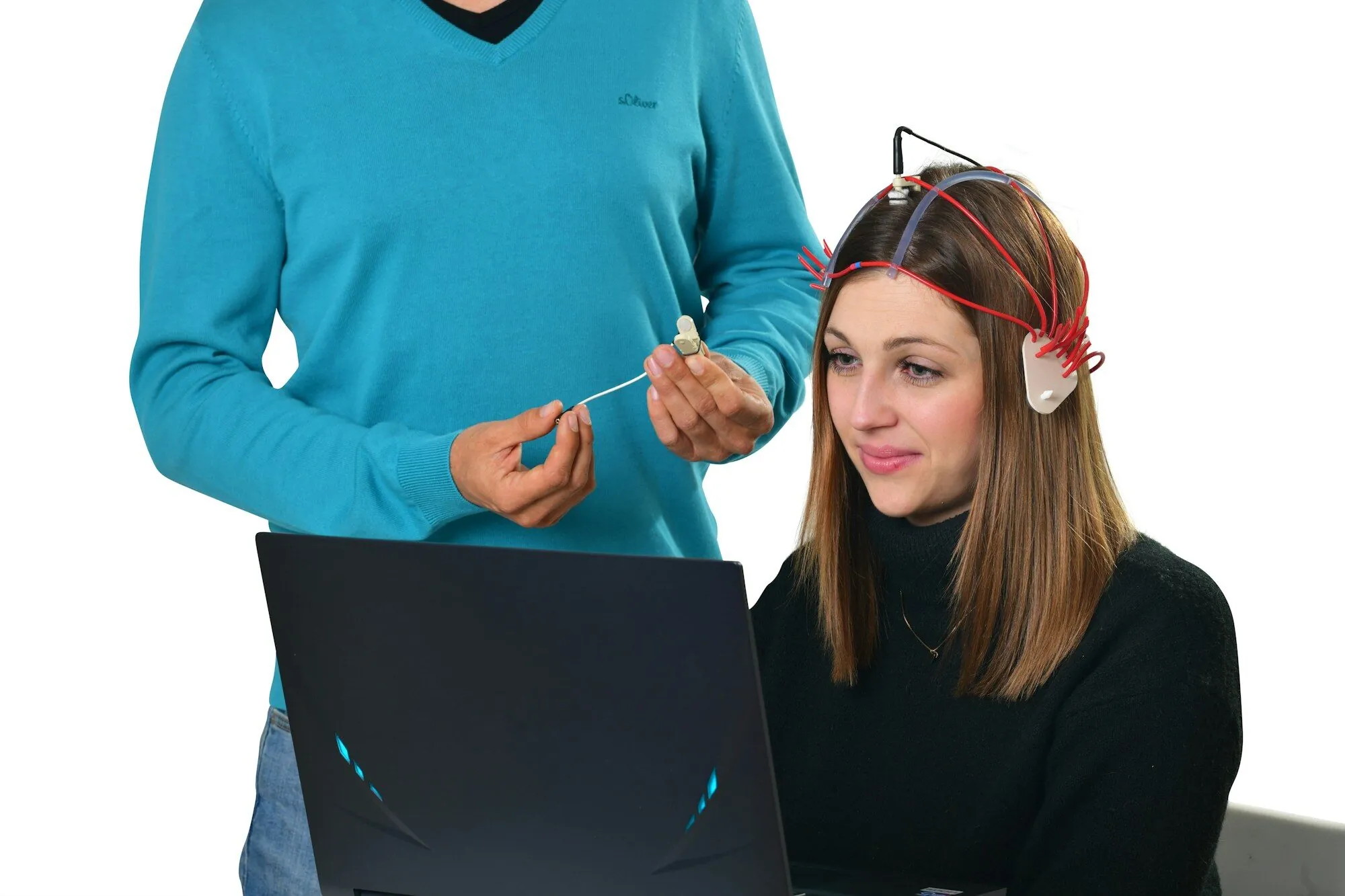
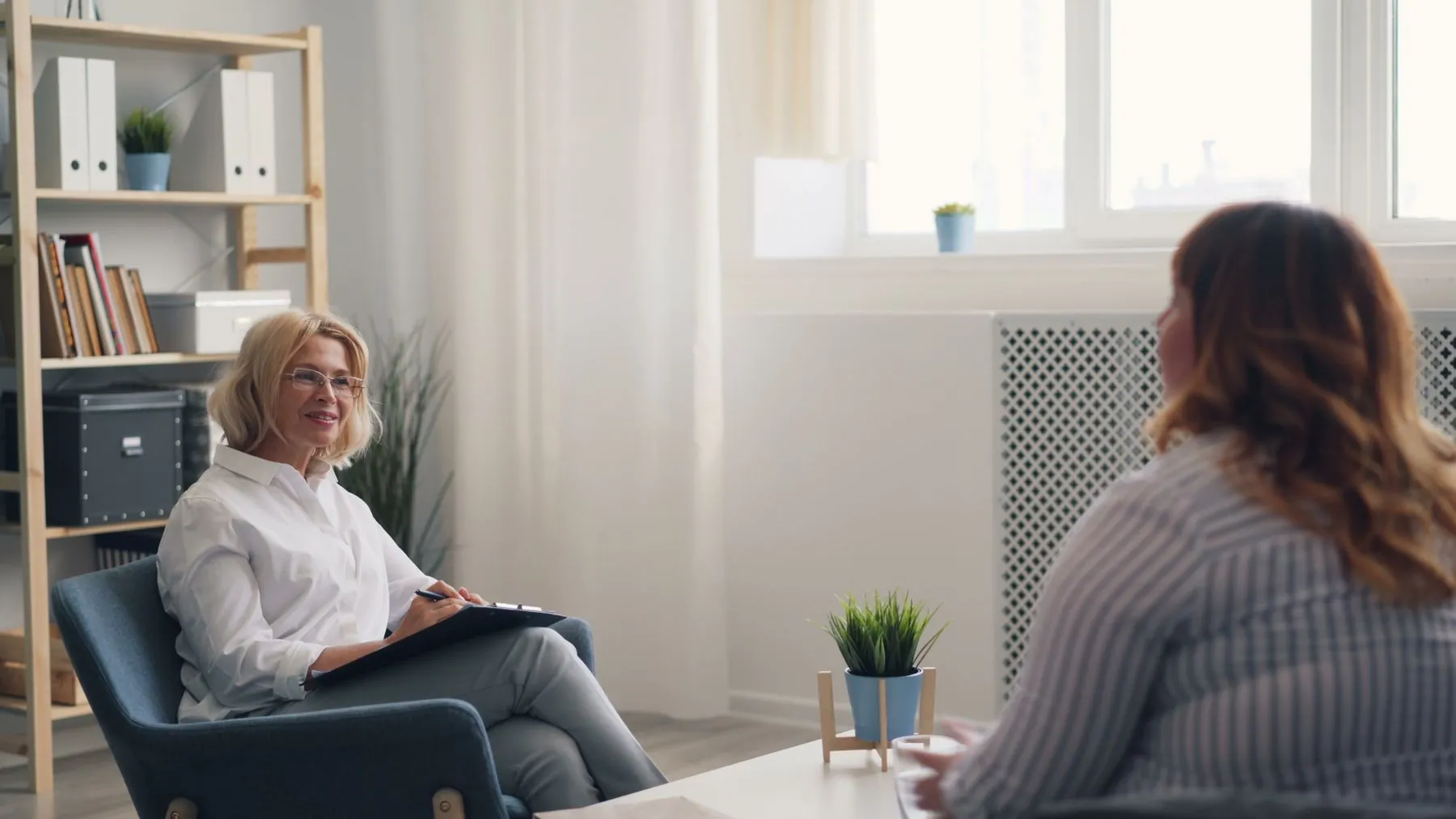
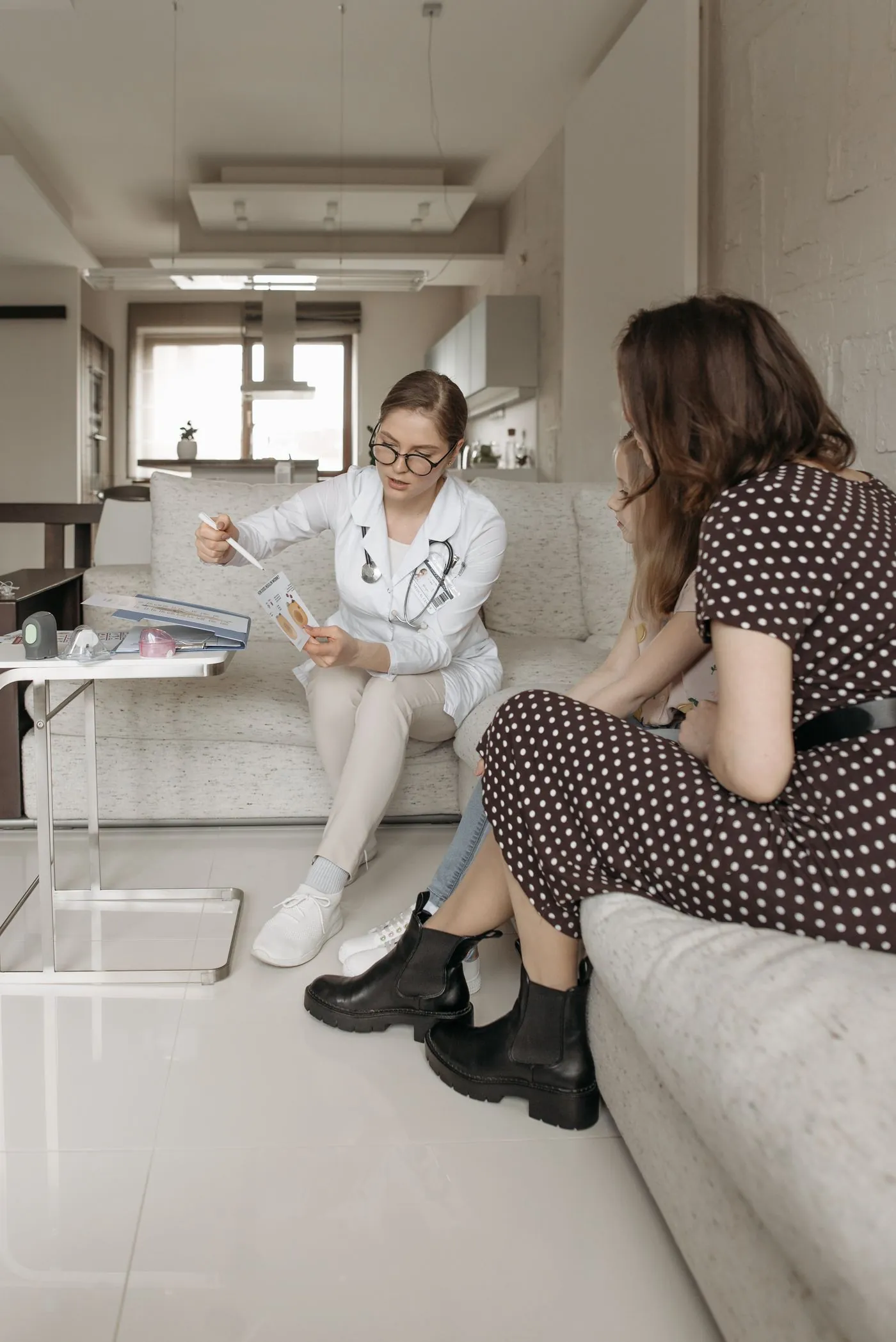
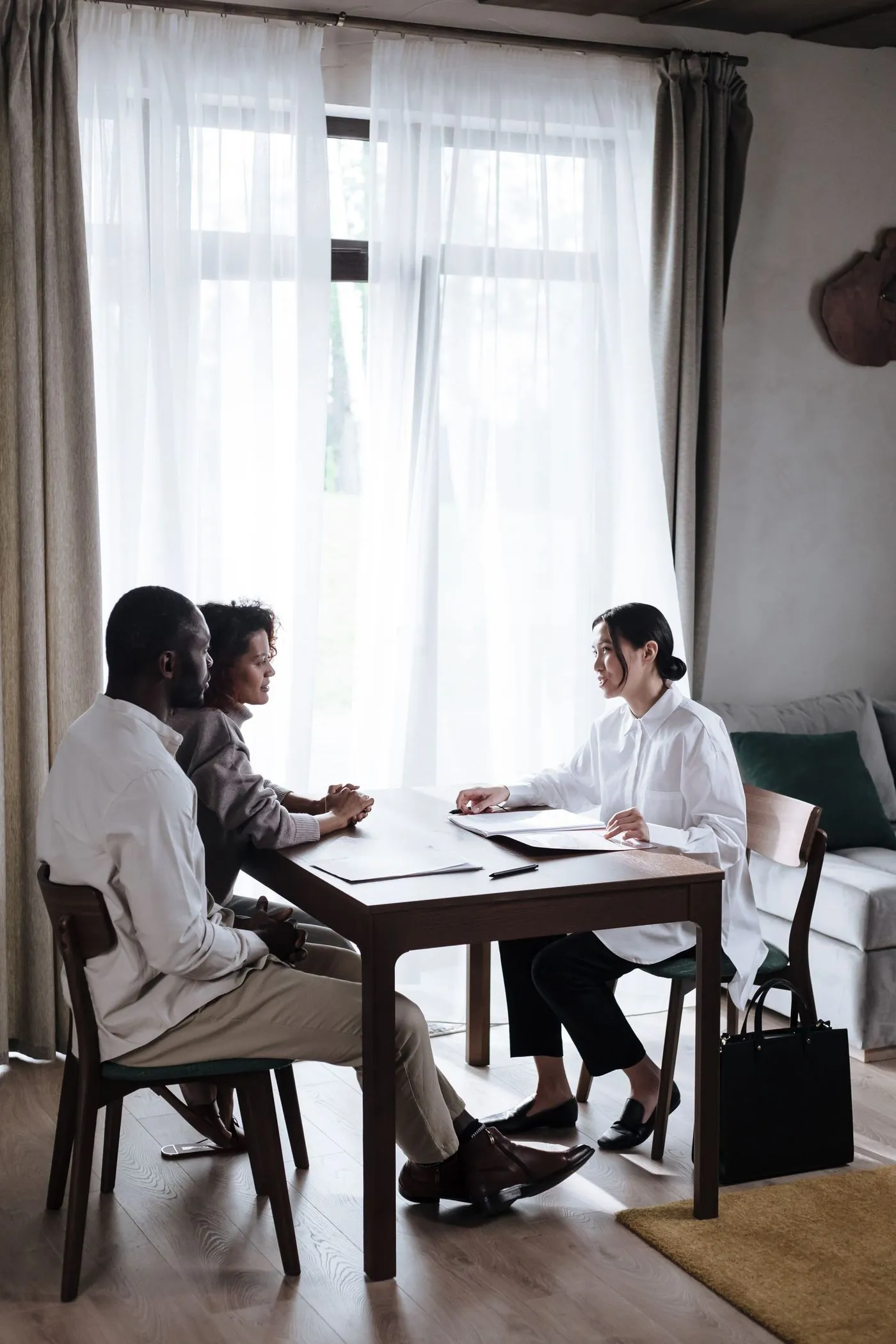
We record a resting-state EEG where you are, compare it with an age-matched normative database, and go through the written report with you. Neurofeedback training can be planned from the same recording.
Baseline recordings before the season, and follow-up recordings after a concussion.
Studies of athletes have reported changes in resting EEG after concussion, though the rhythms affected vary between studies. A recording made before injury gives a personal reference for later comparison.
Attention
For people in ADHD care, or with attention concerns at school or work.
Frontal theta and beta activity have been studied in attention research for decades. Findings differ from person to person, so the recording is read alongside your clinician’s assessment rather than on its own.
Mood and sleep
For people working on anxiety, low mood or sleep with a therapist or physician.
Resting EEG is used in research on arousal, anxiety, mood and sleep. The report describes your recording in plain language, so you can share it with your therapist or physician.
Performance
For athletes, performers and executives tracking focus and recovery over time.
The first recording sets a baseline. Follow-ups use the same protocol and the same report format, so the results can be compared directly.
01 / 04
About qEEG
What qEEG measures.
EEG records the brain’s electrical activity through sensors on the scalp. Quantitative EEG (qEEG) measures that activity by frequency band and compares it with people of the same age.
Frequency bands
Four frequency bands, recorded at rest.
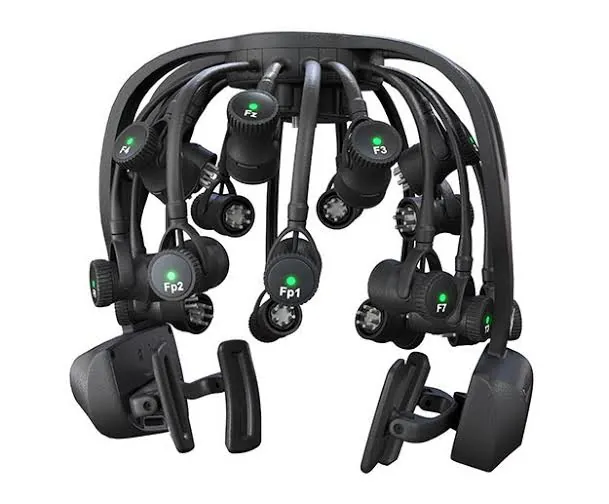
Activity is measured in the delta, theta, alpha and beta bands. Recordings are taken with eyes closed and with eyes open, because the two conditions produce different patterns. Sensor placement follows the international 10-20 system, the standard layout in clinical EEG.
Each measure is compared with people of the same age.
Artifact from eye movement and muscle activity is removed first. The remaining data are compared with an age-matched normative database and reported as z-scores, which show how far each measure sits from the average for your age at each sensor site.
Resting EEG is stable enough to repeat and compare.
In test-retest studies, eyes-closed alpha and beta power are among the most reliable resting EEG measures over weeks and months. A first recording gives a baseline, and a follow-up under the same protocol shows what has changed, for example over a course of neurofeedback.
Resting EEG is studied in attention, anxiety and mood, sleep, and recovery after concussion. Findings vary between studies and between people, so the report is meant to be read with the clinicians involved in your care.
For behavioral health and recovery programs, therapy practices, senior living communities and athletic departments. Recordings are done on site and scheduled around your staff.
On-site setup
A quiet room, a chair and a power outlet.
That is all a recording needs on site. We bring and set up the equipment, and schedule recordings around your existing day.
Request a consultation and we will discuss your program, the number of participants and your schedule. Recording days are set once scope and agreements are in place.
No. The sensors rest on the scalp and only record activity; nothing is sent into the brain. You sit quietly during the recording.
02How should I prepare?
Wash your hair the night before or that morning, and skip conditioner, oils and styling products. Sleep and eat as you normally would. Have a list of your current medications and supplements ready.
03How do I get my report?
As a PDF, once it has been reviewed. We go through the main findings with you, then send the file for your records or to share with your clinicians.
04Do you offer neurofeedback?
Yes. Neurofeedback is a form of EEG biofeedback: sensors record brain activity while a display or tone responds to it in real time, and over repeated sessions you practice shifting that activity toward targets usually set from a qEEG recording. Evidence varies by condition and protocol, and results differ between people. Session format, frequency and cost are agreed in a consultation.
05Do you travel to us?
Yes. Recordings are done at your home, clinic or facility. The service area depends on your location, so ask when you call.
06Do you take insurance?
A brain mapping is $250, paid by cash or card. Ask about coverage when you call.
07Can our facility book several mappings?
Yes. Request a facility consultation and we will discuss your program, the number of participants and scheduling.